


Liberty
42 Westwoods Drive
Liberty, MO 64068


How Aging Affects Your Eyes - and What You Can Do About It
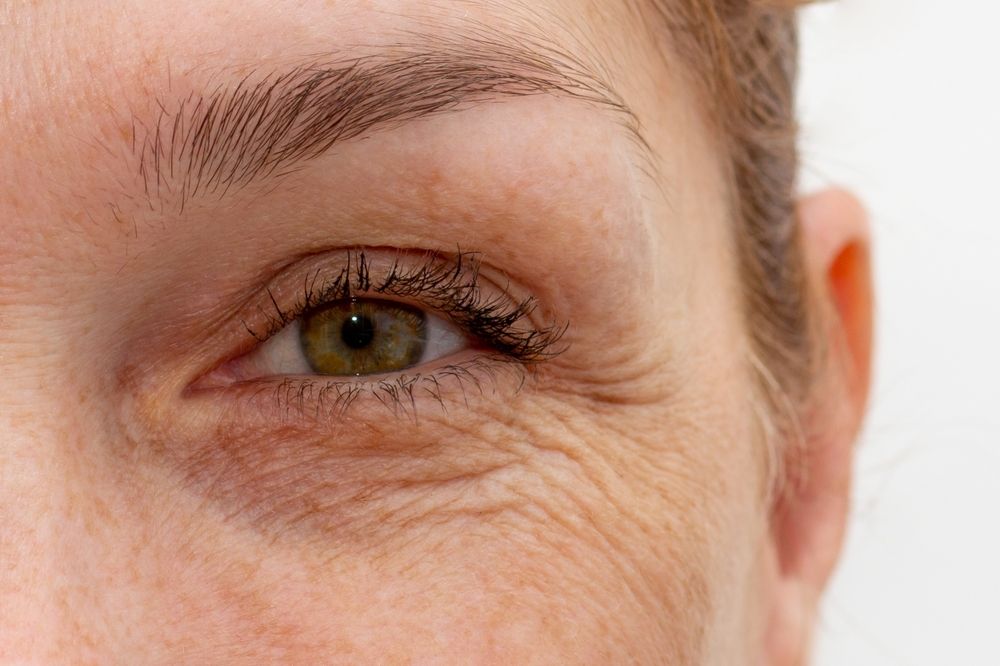
As you get older, every part of your body changes, including your eyes. Some changes are small, but others can affect your vision. The good news is that you can do something about most age-related eye problems. Here are some common changes and what you can do for each.
Trouble Focusing on Close Objects
After you turn forty, the lens in your eye becomes less flexible. This makes it harder to focus on things up close. You might start holding menus or books farther away to read them.
What you can do about it: Reading glasses are a simple fix for this common problem. Your eye doctor can prescribe the right strength for your needs. Bifocals or progressive lenses correct both near and distance vision in one pair of glasses. Some people choose multifocal contact lenses or vision correction surgery as another option.
Cloudy or Hazy Vision
As you age, proteins in your eye’s lens break down naturally. This can make the lens cloudy, which is called cataracts. Colors may look faded, and you might notice glare from headlights at night.
What you can do about it: When cataracts first start, brighter lights around the house can help you see better. A fresh pair of glasses might also buy you some time with clearer vision. But once those cataracts get in the way of your daily life, surgery is the way to go. The doctor simply takes out that cloudy lens and replaces it with a clear artificial one.
Difficulty Seeing at Night
As you age, your pupils get smaller and react more slowly to light changes. You may need more light to see clearly and take longer to adjust when entering a dark room. Glare from oncoming headlights can become a real problem for night driving.
What you can do about it: Anti-reflective coating on your glasses reduces glare from headlights and streetlights. Keep your windshield and headlights clean to maximize visibility while driving. Limit or avoid night driving if it becomes too difficult or unsafe. Ask your eye doctor if your prescription could be optimized for night vision.
Spots or Floaters in Your Vision
The vitreous, a gel-like fluid inside your eye, naturally shrinks as you age. This can cause small clumps or strands to float in your vision. Most floaters are harmless, but some need quick medical attention.
What you can do about it: If you suddenly see floaters, notice more of them, or see flashes of light, see a doctor right away. These could be signs of retinal detachment, which is an emergency. For floaters that are annoying but harmless, try moving your eyes up and down to move them out of your sight. Most of the time, your brain will start to ignore them.
Loss of Side Vision
Glaucoma damages the optic nerve, often starting with loss of peripheral or side vision. This condition usually has no early symptoms, so you may not notice it at first. If you do not seek treatment, this condition can lead to permanent blindness.
What you can do about it: Regular eye exams with pupil dilation are the only way to catch glaucoma early. If diagnosed, prescription eye drops can lower eye pressure and slow damage. Some people need laser treatment or surgery to control the disease. Glaucoma damage cannot be reversed, so early detection is critical.
Blurry Central Vision
Macular degeneration damages the part of your retina responsible for sharp central vision. This makes reading difficult, faces look blurry, and fine details hard to see. Straight lines, such as door frames or window edges, may appear wavy or bent rather than straight.
What you can do about it: Eating more leafy greens and fish may help slow the disease. The AREDS2 supplement can help if you have intermediate or advanced macular degeneration. Injections or laser therapy are used for the “wet” form. Low-vision aids and rehab can help you adjust and use your remaining vision as well as possible.
The Most Important Step You Can Take
Regular eye exams catch problems before you ever notice symptoms. Your doctor dilates your pupils to see the retina clearly at the back of your eye. Early detection means early treatment, and early treatment gives you the best chance to keep your vision.
To learn more about how aging affects your eyes, visit Hilltop Eye Center. We have offices in Liberty and Parkville, Missouri. Call (816) 781-0500 or (816) 587-7327 to make an appointment.

© 2026 Hilltop Eye Center. All rights Reserved - Accessibility Statement - Privacy Policy - Terms and Conditions - Sitemap
Powered by
