


Liberty
42 Westwoods Drive
Liberty, MO 64068


The Role of Genetics vs Environmental Factors in Keratoconus
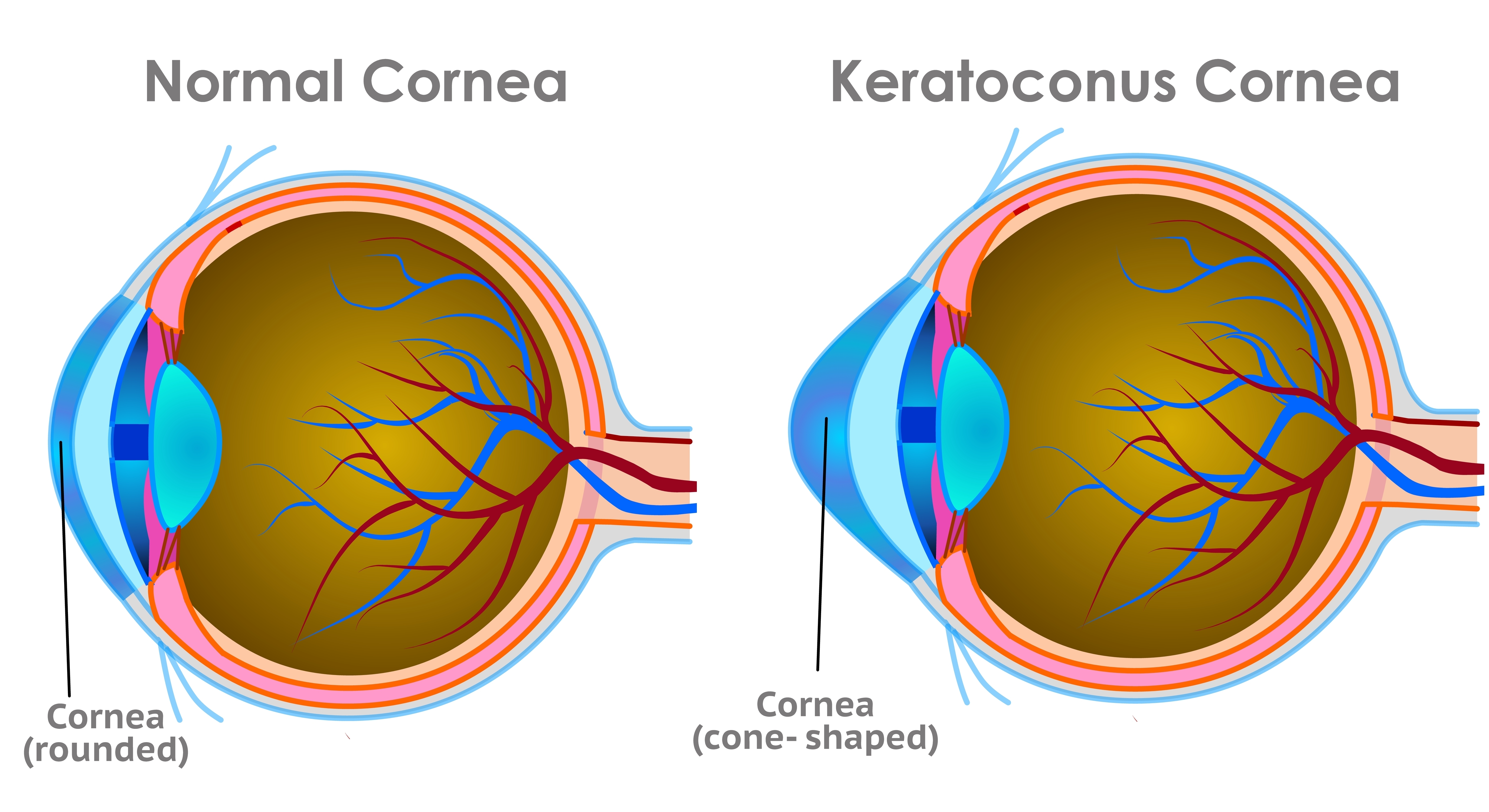
Keratoconus is a progressive eye condition that causes the cornea to thin and bulge into a cone-like shape, leading to blurred or distorted vision. When patients visit us in Liberty, MO with questions about keratoconus, one of the most common concerns is what causes it. The answer is not always simple. In many cases, keratoconus develops because of a combination of genetic and environmental factors rather than one single cause.
How Genetics Can Influence Keratoconus
Genetics can play an important role in keratoconus. Some people with this condition have a family history of it, which suggests there may be an inherited tendency for the cornea to be weaker or more prone to structural changes. If a parent or sibling has keratoconus, the risk may be higher for other family members.
That said, not everyone with a genetic predisposition will develop keratoconus. In Liberty, MO, we often explain that genetics may create the foundation, but other outside factors can influence whether the condition appears or progresses over time.
Environmental Factors That May Contribute
Environmental factors are also closely tied to keratoconus. One of the best-known contributors is frequent or aggressive eye rubbing. Chronic eye rubbing can place repeated stress on the cornea, which may worsen thinning and changes in shape. Allergies and ongoing eye irritation can make this even more likely.
Other factors that may be associated with keratoconus include:
- Frequent eye rubbing
- Long-term eye irritation from allergies
- Chronic inflammation affecting the eyes
- Underlying conditions linked to connective tissue weakness
For patients in Liberty, MO, managing allergy symptoms and avoiding eye rubbing can be an important part of protecting long-term eye health.
Why Keratoconus Is Often Multifactorial
Keratoconus is usually considered multifactorial, meaning it develops from more than one influence. A patient may have a genetic tendency toward corneal weakness, but environmental triggers may play a role in when symptoms begin or how quickly the condition changes.
This is why two people in the same family may have very different experiences. One person may develop noticeable keratoconus early in life, while another may never show meaningful signs of the condition. At Hilltop Eye Center, we stress the importance of looking at the full picture instead of assuming genetics or environment alone is responsible.
Signs That Should Not Be Ignored
Because keratoconus often begins gradually, early signs can be easy to miss. Patients may think they simply need a stronger glasses prescription, when the real issue is a change in the shape of the cornea. Common signs include blurry vision, ghosting, glare, halos, and frequent prescription changes.
If these symptoms appear, a comprehensive eye exam is important. In Liberty, MO, early detection can make a real difference because monitoring corneal changes helps us recommend the right next steps before vision becomes more significantly affected.
The Importance of Early Monitoring and Treatment
Even though we cannot change someone’s genetic makeup, we can help monitor the condition and reduce avoidable stress on the eyes. Regular eye exams are especially important for patients with a family history of keratoconus or a habit of rubbing their eyes due to allergies or irritation.
Early diagnosis allows us to track corneal health and discuss treatment options that support clearer, more stable vision. Depending on the patient’s needs, management may include specialty contact lenses, referrals for additional evaluation, or other steps to help preserve vision. The earlier keratoconus is identified, the more proactive care can be.
Why a Personalized Evaluation Matters
No two keratoconus cases are exactly alike. Some patients in Liberty, MO may have a strong family history, while others have no known relatives with the condition but show environmental risk factors that raise concern. A personalized evaluation helps determine what may be contributing to your symptoms and how best to manage them.
Contact Hilltop Eye Center in Liberty, MO at (816) 781-0500 to schedule an eye exam and learn more about keratoconus care.

© 2026 Hilltop Eye Center. All rights Reserved - Accessibility Statement - Privacy Policy - Terms and Conditions - Sitemap
Powered by
